


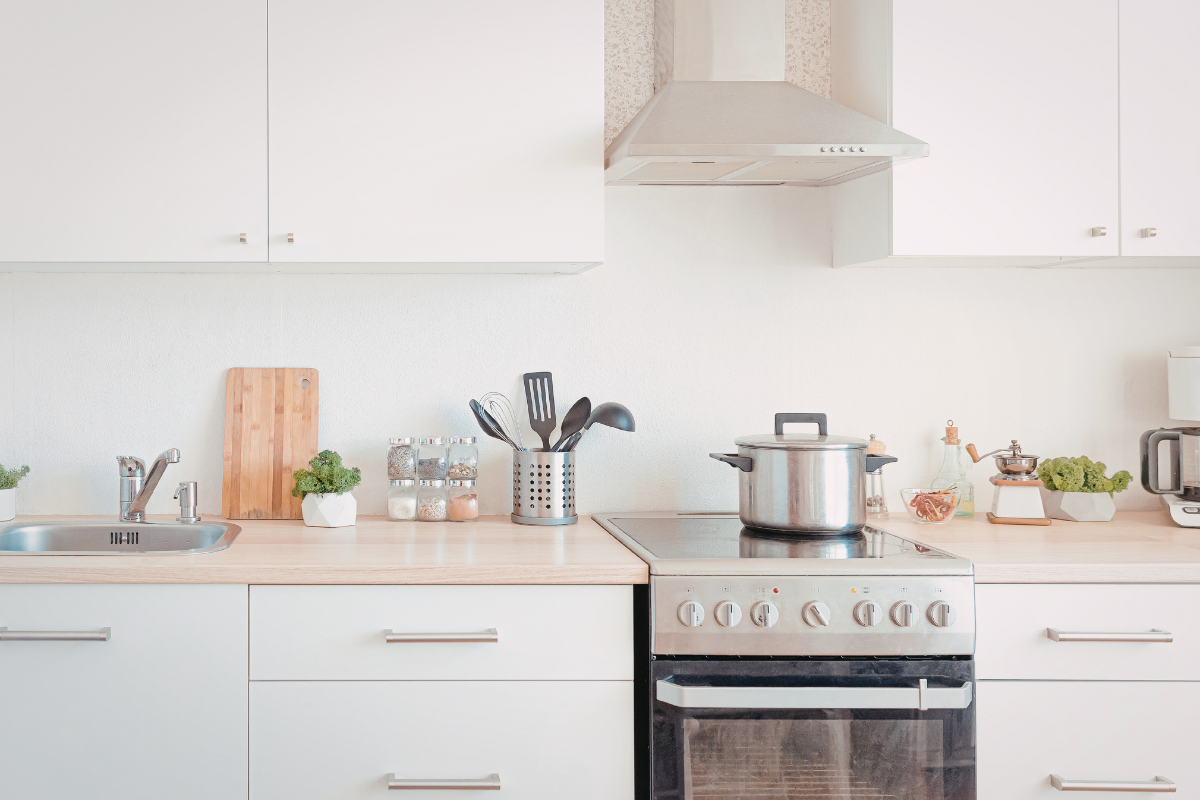
A Kitchen Can Look Organized and Still Be Difficult to Use
A kitchen can be neat, beautiful, and full of clearly defined categories and still create unnecessary work.
We saw this in a Palos Verdes Estates home. The client’s kitchen was organized, but packing lunches meant walking from one end of the kitchen to the other gathering lunch boxes, water bottles, drink packets, and food.
She found the routine frustrating because it felt like wasted time.
The problem was not that the kitchen needed more storage. The things she needed simply were not located around the way she actually packed lunches.
We brought those related items closer together, near the refrigerator and the counter space she naturally used for the routine.
The kitchen was already organized. It just needed to work differently.
That is why thoughtful kitchen organization begins with more than categories. It begins with understanding how the household moves through the space.
The Problem With Organizing for Appearance Alone
Matching containers, clear countertops, beautiful labels, and thoughtfully selected products can all contribute to a well-organized kitchen.
But appearance cannot be the starting point.
A pantry may photograph beautifully while requiring someone to cross the room repeatedly to make breakfast.
Serving pieces may be perfectly arranged in the cabinets most convenient for cooking while the family only reaches for them when entertaining in the dining area.
Children’s dishes may be neatly stacked but placed too high for the children who use them.
When placement is determined primarily by where something fits, the kitchen can remain tidy while daily routines still feel inconvenient.
This is why organization can fail when it is not aligned with the way someone actually lives.
We Look at the Routine Before We Choose the Placement
When we organize a kitchen, we want to understand what happens there on an ordinary day.
Where does breakfast happen?
Who packs lunches?
Do the children prepare any of their own food?
Who unloads the dishwasher?
Which counter is naturally used for food preparation?
Where does the family entertain?
Which appliances stay on the counter, and which ones would the client rather keep put away?
Those answers shape the organization.
If children are old enough to prepare their own breakfast, we may place their bowls or plates in a lower drawer or cabinet so they can reach them independently.
Cereal, oats, granola, or other breakfast staples may also live on a lower pantry shelf.
The goal is not to create a universally correct kitchen.
It is to create one that makes sense for the people using it.
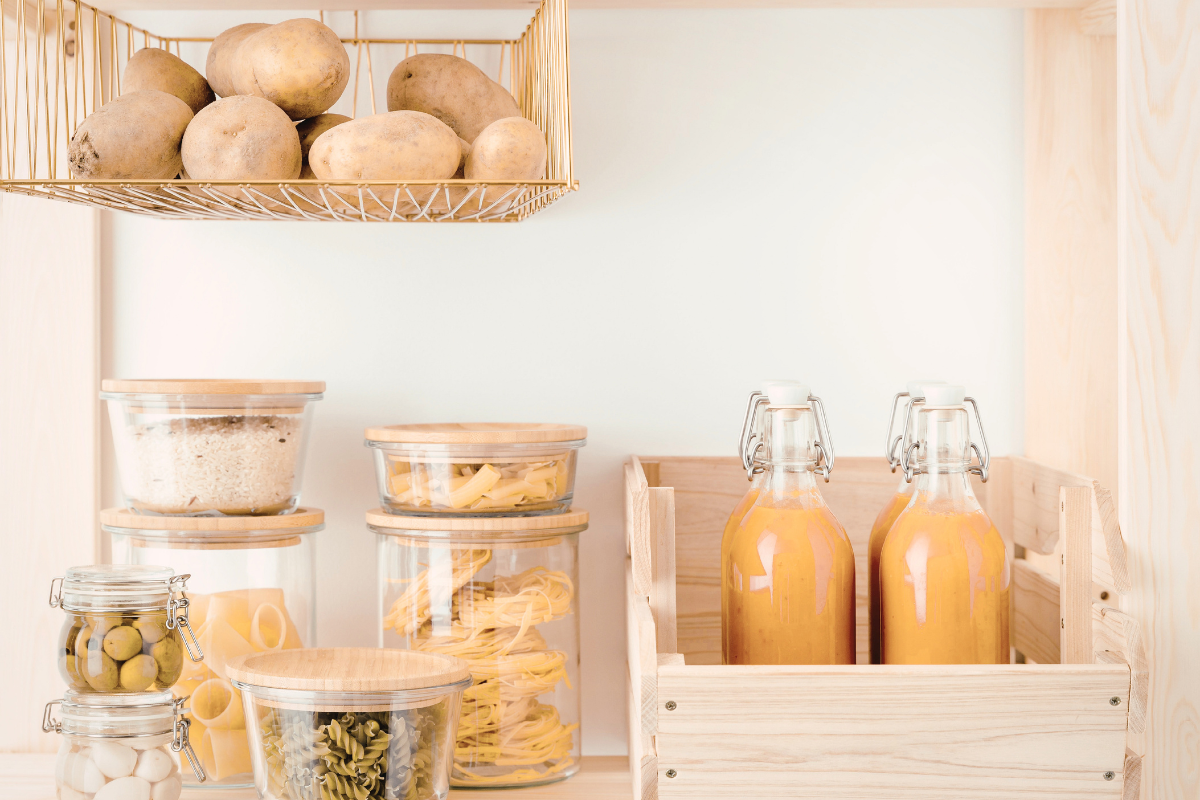
Fewer Steps Can Change an Everyday Routine
One of the clearest ways we evaluate a kitchen system is by looking at how many steps a routine requires.
In the Palos Verdes Estates kitchen, lunch packing was the perfect example.
The client did not need a new lunch system because her belongings were disorganized. She needed related categories brought closer to the place where the routine happened.
Lunch boxes might live in cabinetry adjacent to the kitchen rather than inside the primary cooking area. Water bottles may be closer to the refrigerator. Drink packets and other lunch essentials can be grouped nearby.
What matters is that the person preparing lunch does not need to repeatedly cross the room gathering everything.
Good organization reduces unnecessary movement.
The same thinking applies to breakfast, coffee, baking, meal preparation, and cleanup.
Organize Around Activities, Not Just Categories
Categories are useful, but sometimes the activity tells us more than the category name.
Take entertaining pieces.
Serving platters, bowls, and other entertaining items do not necessarily need to occupy the cabinetry closest to the stove.
In a kitchen with storage on the dining side of an island, that may be the better location because those pieces are used closer to where the family entertains.
Everyday cooking tools can remain closer to preparation areas.
The categories stay together. They are simply placed where they are most useful.
This is what we mean when we organize with intention. The placement has a reason behind it.
Accessibility Should Reflect Who Uses the Kitchen
A kitchen may need to work for several people at once.
Parents, children, household staff, and guests may all use the space differently.
That is why accessibility matters.
Children’s everyday dishes may belong lower if the family wants them to be independent.
Items requiring more supervision can stay higher.
Frequently used cooking tools should be easy for the primary cook to reach.
Backstock can live outside the most accessible cabinets as long as replenishing the everyday supply remains convenient.
There is no benefit in making every category equally accessible.
The most useful storage should go to what the household reaches for most often.
The Pantry Needs to Change as the Family Changes
Pantries are especially sensitive to shifting routines.
Children move through food preferences quickly. A snack that was popular for months may suddenly stop being eaten, while the remaining packages continue taking up space.
A household may change how it eats for health or lifestyle reasons.
Backstock may begin growing faster than the everyday pantry can comfortably hold.
If those categories are not reviewed, a pantry can stay technically organized while becoming less useful.
This is where editing matters.
We look at what the family is actually eating now, what has expired, what is being overbought, and which categories need more or less space.
Often, overbuying begins when items become buried and the household can no longer see what it already has.
A simple pantry edit can often reveal whether the issue is the amount of storage or simply how the categories are being used.
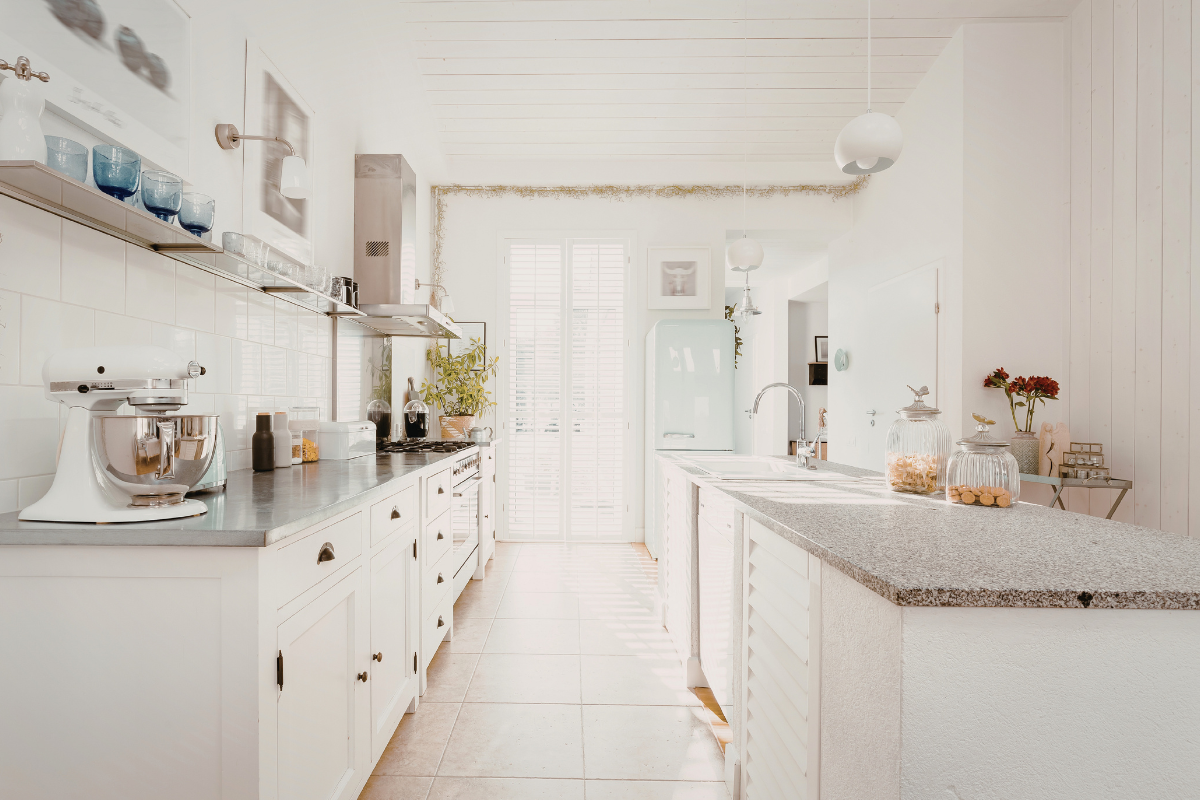
Products Come After the Plan
Bins, baskets, dividers, turntables, risers, and containers can all be useful.
But we do not decide where something belongs based on the organizing product.
We first decide what the space needs to do.
Then we determine whether a product would make that system easier to use.
A deep bin may work well for one family’s snacks and be inconvenient for another.
Decanted ingredients may make certain staples easier to see and replenish, while other foods function better in their original packaging.
A turntable may solve a deep corner. A drawer divider may keep frequently used tools from shifting.
The product has a job to do.
It should support the system, not become the system.
What Lives on the Counter Is Personal Too
Not every client wants the same visual experience in the kitchen.
Some prefer almost everything put away.
Others want frequently used appliances left out.
We ask.
If a client prefers clear countertops, we find appropriate homes for appliances and everyday tools inside drawers and cabinets.
If they use certain appliances constantly and prefer them accessible, we consider how those pieces can stay out without interfering with preparation space.
From there, finishing details can reflect what feels right in the home, whether that is a few cookbooks, cutting boards, a plant, or very little at all.
The kitchen should not require someone to maintain a look that works against the way they actually use it.
Lasting Kitchen Organization Should Feel Natural to Maintain
A system usually lasts when returning something to its place makes sense.
The lunch box goes back near the rest of the lunch supplies.
A child returns a bowl to a drawer they can reach.
Serving pieces return to the cabinetry near the dining area.
Pantry categories have enough room to hold what the household realistically buys.
Frequently used tools live near the activity they support.
When placement reflects the routine, maintenance requires fewer decisions.
That is what makes the organization sustainable.
Frequently Asked Questions
Why can a kitchen still feel frustrating after it has been organized?
The kitchen may be organized by category without being organized around the household’s routines. If frequently used items are stored far from where they are needed, everyday tasks can still require unnecessary movement and decisions.
What is the best way to organize a kitchen for daily use?
Start with the routines. Consider how breakfast is prepared, lunches are packed, the dishwasher is unloaded, meals are cooked, and the kitchen is reset. Then place the related categories around where those activities naturally happen.
Should everything in the kitchen be organized by category?
Categories are helpful, but they should not override function. Sometimes items from related categories belong together because they are used during the same routine.
How do I decide what should be easiest to reach?
Frequency and who uses the item are good starting points. Everyday dishes, cooking tools, food categories, and supplies should generally be easier to access than occasional entertaining pieces or backstock.
Do organizing products make a kitchen easier to maintain?
They can, when they solve a specific problem. Products work best after the categories, routines, and available space have been considered.
A Kitchen Should Support the Way You Already Live
The most successful kitchen systems are rarely the ones with the most containers or the most perfectly arranged shelves.
They are the ones that make the ordinary parts of the day require less effort.
Packing lunch should not mean walking back and forth across the kitchen.
Children should be able to reach the items they are expected to use independently.
Entertaining pieces should not take priority over the tools used every day.
And the pantry should reflect what the family is actually eating now.
When those decisions are made around real routines, the kitchen becomes easier to use and easier to maintain.
If your kitchen looks organized but still feels harder to use than it should, explore our Home Organizing service to learn how Ethereal Edits creates systems around the way your household actually lives.
Warmly,
Elissa


