


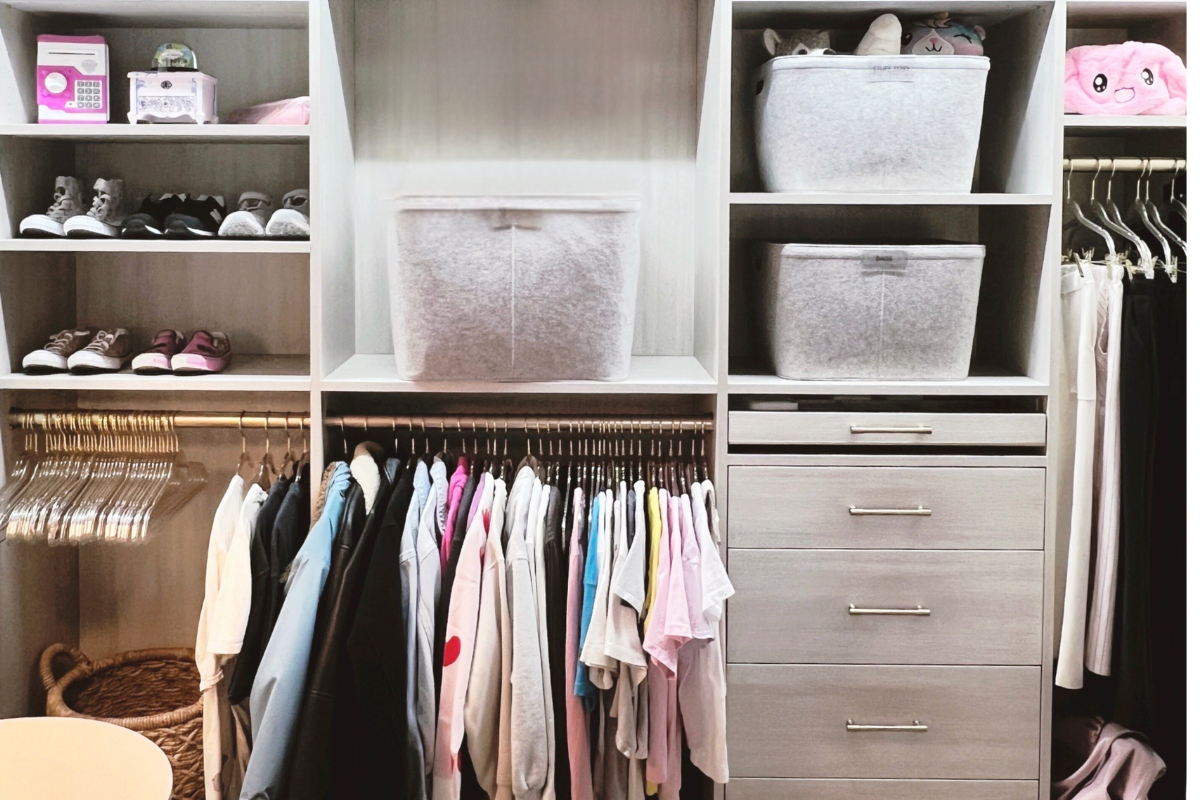
We just wrapped up organizing three kids’ closets and let me tell you—August is the perfect time to get it done. Before school schedules take over, this little window gives families the breathing room to reset and get ahead of the usual chaos.
If you’ve ever found yourself scrambling on a school morning—digging through piles for matching socks or realizing the only clean shirt is two sizes too small—then you know how much smoother things run when your child’s closet is in order.
That’s why we always recommend starting in early August. You’ll not only avoid the last-minute rush, but you’ll also create calm, consistent routines that actually stick.
Last August, we shared some thoughts in Get Ready for School: How Early Decluttering Can Transform Your Routine, a blog that dives into the benefits of starting the organizing process ahead of time. It also includes a simple timeline you can follow if you’re not sure when or where to begin. If this is the year you’re hoping for less stress and more ease around school prep, it’s a helpful read.
Why Organizing Kids Closets is Worth It
Before we get into the steps, I want to say this: working one-on-one with kids during these projects is genuinely one of my favorite parts of our job. They’re honest, curious, and hilarious.
Last week, one child gave us a detailed story about how a favorite pair of socks “made him run faster.” You can’t make this stuff up. But what really stands out is how this process gives parents a break. Instead of Mom or Dad being the one to say, “No, that doesn’t fit,” or “You never wear that,” we step in as the neutral guide.
We always begin with a conversation with the parents—we ask about preferences, wardrobe rules, school guidelines, and what the goals are for the space. Once that’s aligned, we go in and make it happen—child by child.
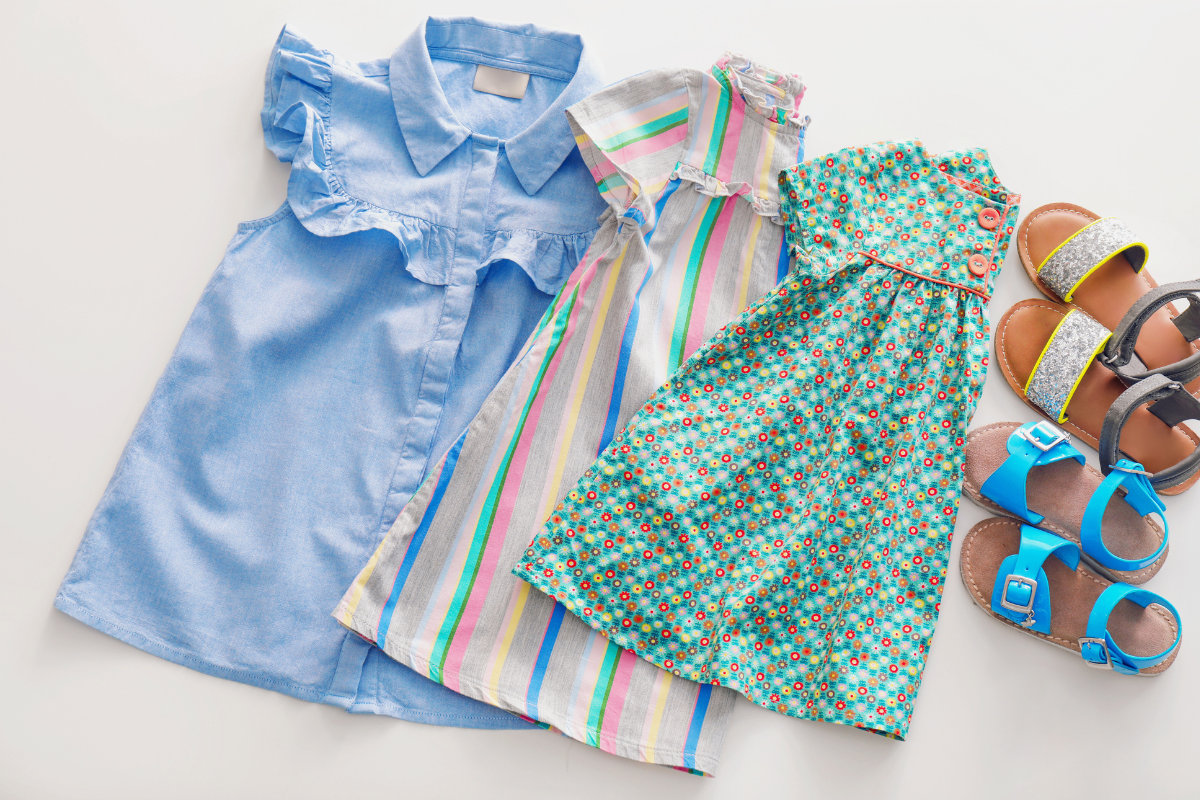
Our Approach to Editing and Organizing Kids’ Closets
Whether you’re organizing one closet or three, here’s how we go about it. This system keeps things calm, focused, and productive—without turning the whole house upside down.
1. Start With Clean Laundry
Make sure all clothes are washed and dried before you begin. That way, everything your child actually wears is present and accounted for. It’s hard to make decisions if half the wardrobe is still in the hamper.
2. Sort Everything by Category
Before any decisions are made, we sort all clothing into clear categories: shirts, pants, dresses, pajamas, socks, etc. This helps visually map out what your child has too much of (or not enough of) and sets the stage for easier decision-making.
3. Work One-on-One with Each Child
Distractions make this process ten times harder. So we work with one child at a time—ideally after they’ve had a good breakfast and a solid night’s sleep (Mom too, if possible).
We chat, laugh, and go through each category together—checking for size, comfort, and how often it’s actually worn. We ask them what they love and what they’d rather not wear anymore.
Kids will almost always tell you the truth. If they hate how something feels or don’t like how it looks, they’ll say it. We listen and make sure they feel part of the process, because when they have ownership over their space, they’re way more likely to keep it organized.
Making Room for Routines That Stick
One of the most impactful things we build into each child’s closet is a planning zone—a clear spot where they can lay out their outfit for the next day. We talk about the difference it makes when they prep the night before. No rushing, no surprises, no mismatched socks.
And when they don’t plan ahead? You can probably guess—there’s the classic scramble, forgotten gym clothes, and breakfast happening in the car.
Giving them that one step—a space to prepare—builds independence. It’s simple, and it sticks.
Tidy-Up and Rehome
Once we’ve gone through everything, we sort the outgoing items with care:
- Too small? Set it aside for donation or the next sibling.
- Worn beyond use? Remove it from the wardrobe and recycle or discard it appropriately.
- No longer worn or enjoyed? Set it aside to donate or pass along rather than letting it continue taking up space in the closet.
We make sure the space reflects their daily flow, with school clothes easy to reach, pajamas near the bed, and accessories where they can see them. This part is always tailored to the child.
This is the same approach we bring to our Home Organizing services: creating systems around the routines of the people actually using the space.
Walk-Through + Wardrobe Gaps
Once everything is organized and in its new place, we give each child a “tour” of their closet. We show them where each item belongs and how to keep it that way.
We also create a short list of what they’re missing—maybe they need new shoes, a hoodie, or fresh leggings. That list becomes your shopping guide.
Make Back-to-School Shopping a Fun Tradition
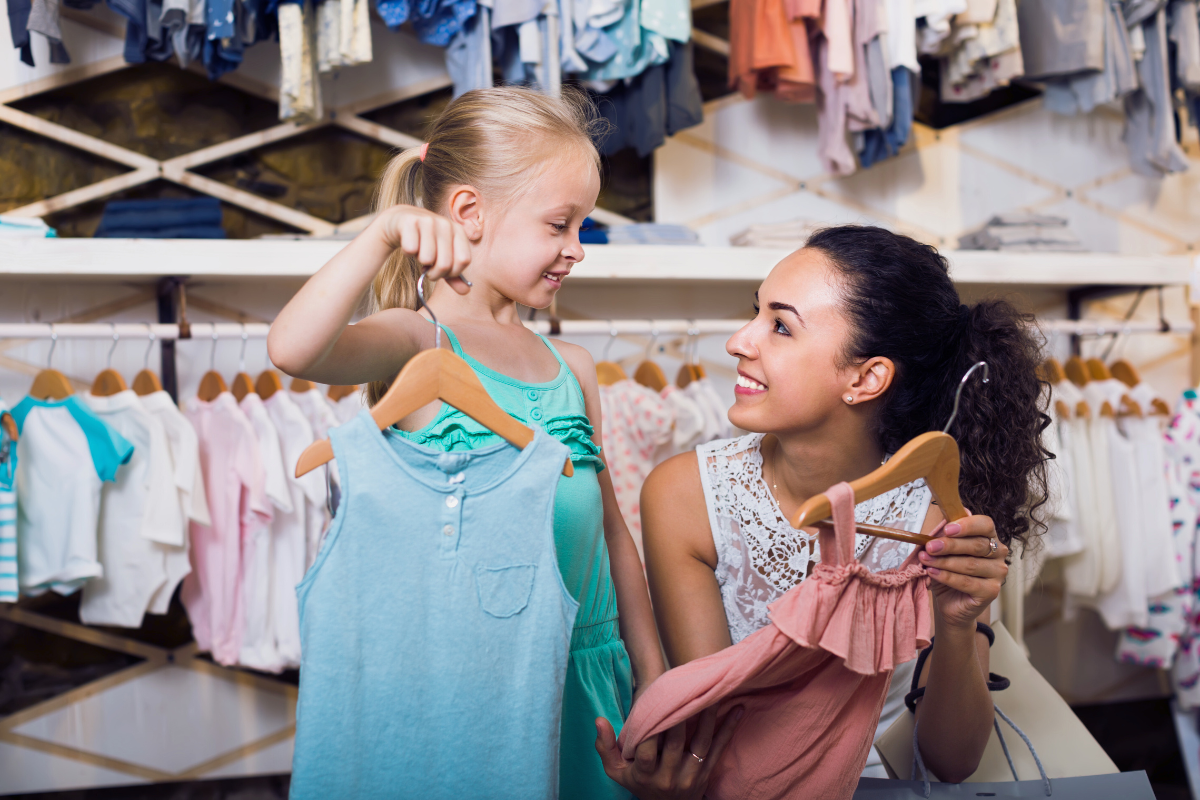
Here’s a little extra tip: instead of a rushed shopping trip with all the kids at once, plan individual outings. Take one child at a time, bring your wardrobe list, and schedule a fun lunch together. It’s more intentional, less stressful, and feels like a treat for them (and for you).
Starting this organizing process early in August means you’ve got plenty of time to do this without pressure. When the school year starts, everyone already knows where their clothes are, what fits, and what they actually like to wear.
Don’t Skip the Final Step
When the new clothes come in, put them away in the right spot. Seriously. That extra 20 minutes of folding and sorting ensures the system stays functional. You’ve done all this prep—make it count.
Ready to Get Started?
If your family’s routines have shifted and your children’s closets no longer support the way they get ready each day, learn more about our Home Organizing services and how we create systems that support real family life.
Until next time,
Elissa


