


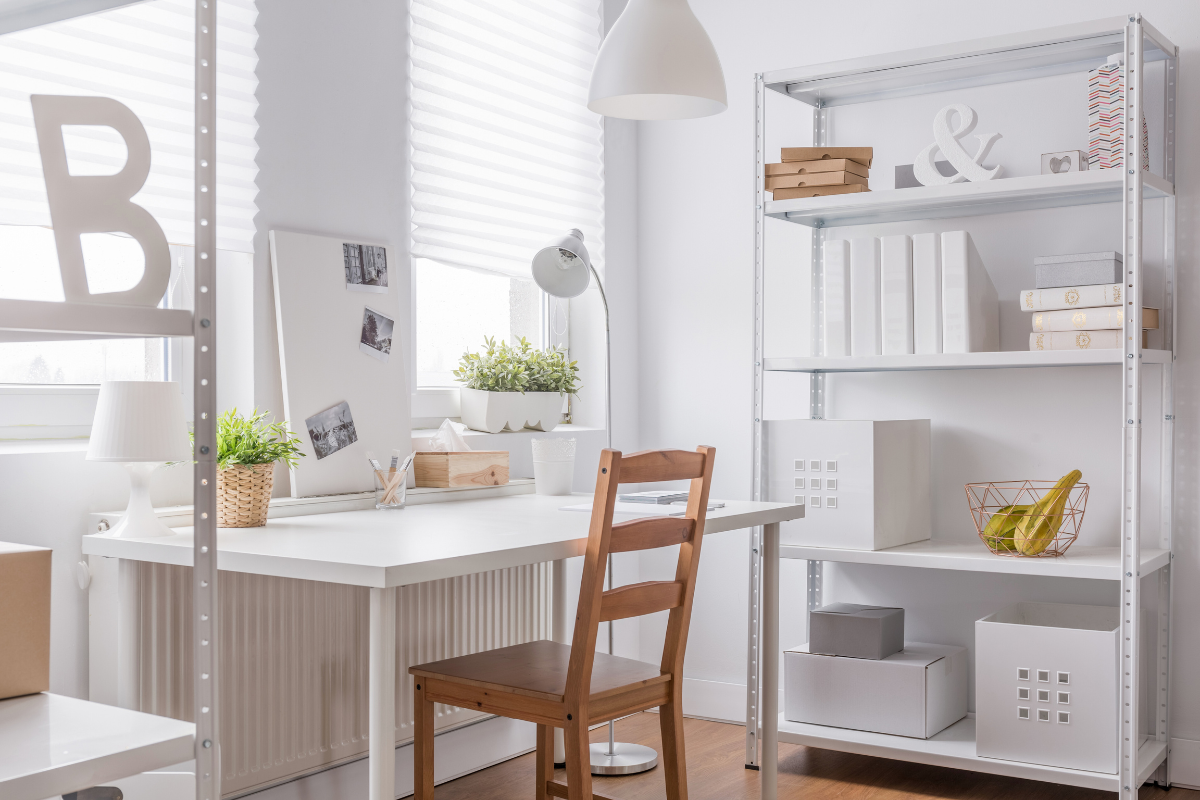
Let’s be real—homework time doesn’t always come with calm music and eager faces. But it can be less of a battle when your kids have a space that’s functional, inspiring, and easy to maintain.
We’ve worked with families of all sizes, and time after time, we see how a well-organized study zone changes everything.
In this post, I’m sharing a few simple strategies we use to turn chaotic desks and cluttered corners into functional study spaces that support focus and routine. Whether you’ve got a full room or just a spare nook, these tips work anywhere.
Why a Thoughtful Study Space Matters
Kids are just like us—they focus better when their environment isn’t full of distractions. A clean, dedicated study space signals to their brain: This is where I get things done. But it’s not just about being tidy. It’s about having a system that supports their needs and feels personal to them. This is the same approach we bring to our Home Organizing services: understanding how your household actually uses a space, then creating systems that feel natural for everyone to maintain.
A Real-Life Client Story: Turning a Spare Closet Into a Study Nook
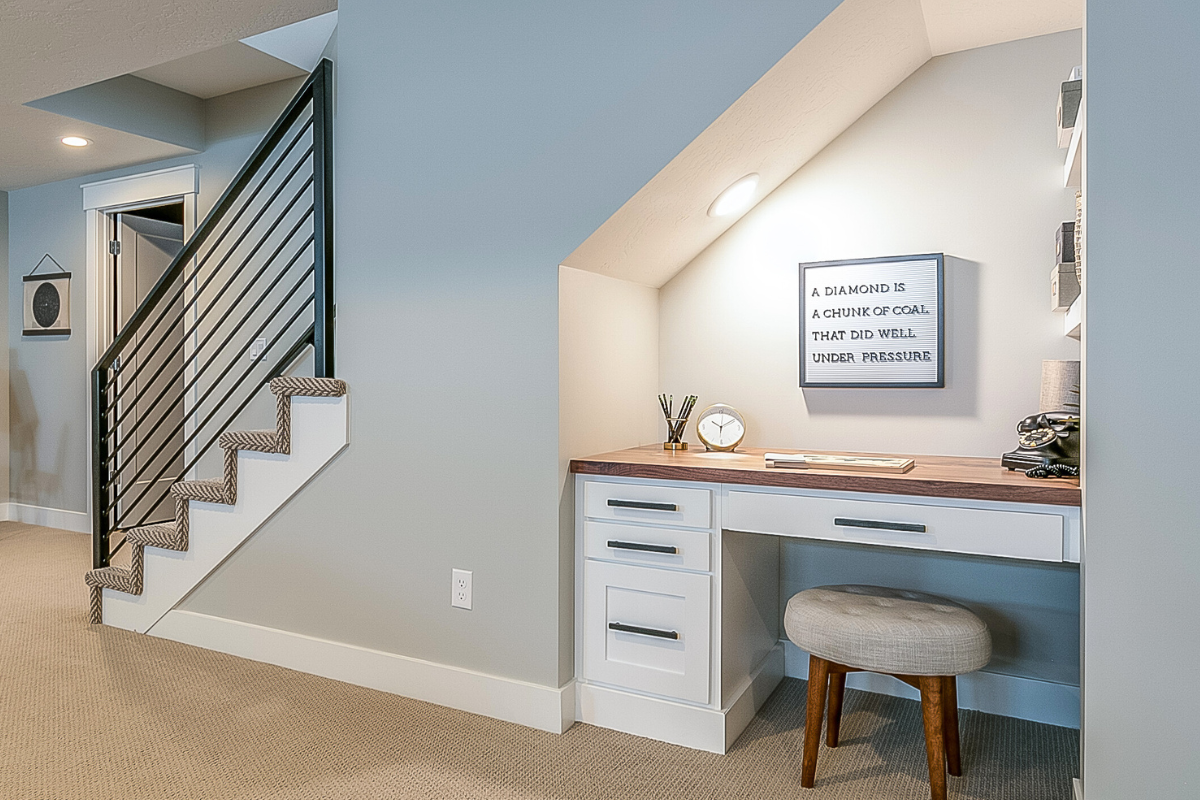
One of our clients, a mom of three in Manhattan Beach, had a hallway closet filled with old linens and random cords (don’t we all?). Her two older kids were always bickering at the kitchen table during homework time. We cleared the closet, added a floating desk, had a small sconce for lighting installed, and brought in a couple of shelves above for books and supplies.
The transformation was simple, but it made a huge impact. Each child got their own homework slot—literally and figuratively. And with their supplies right at hand, the “Mom, where’s my glue stick?” interruptions faded fast.
Key Principles for Any Study Room (Big or Small)
Not every home has a dedicated study room, but that doesn’t mean your child can’t have a space that works. Here are the core principles we follow, no matter the setup:
1. Edit Before You Organize
Start by editing what’s no longer useful for the way your child works today. Dried-out markers, completed schoolwork, outgrown supplies, and forgotten projects can all create unnecessary visual and mental noise. Once those are cleared, it becomes much easier to create a system around what they actually reach for.
2. Categorize by Use
Group items by how often they’re used. Daily essentials (pencils, notebooks, headphones) should be easily accessible. Paints, hot glue guns, and glitter? Up high, out of reach.
3. Mix Open & Closed Storage
Open shelving is great for books and baskets. Closed cabinets (or even pretty lidded boxes) can hide the less aesthetic stuff—think electronics, wires, or backup school supplies.
4. Use Vertical Space Wisely
In smaller areas, walls are your best friend. We often add floating shelves, wall-mounted file holders, or even magnetic boards for rotating art and reminders.
5. Keep Supplies Manageable
Bulky containers take up too much space. Swap them for zipper pouches, stackable bins, or shallow drawers so your kids can find what they need without tearing the whole place apart.
Make It Personal (But Still Functional)
Kids love seeing their personality reflected in their space. In one of our favorite recent projects, a family in Beverly Hills wanted their son’s LEGO creations to have a home in his study area. So we added two slim display shelves above his desk. They doubled as inspiration and motivation—he only added a new build when his assignments were done.
We also framed a few of his best school art pieces. Not every space needs to look like a Pinterest post. It just needs to feel like theirs.
A Routine-Building Space
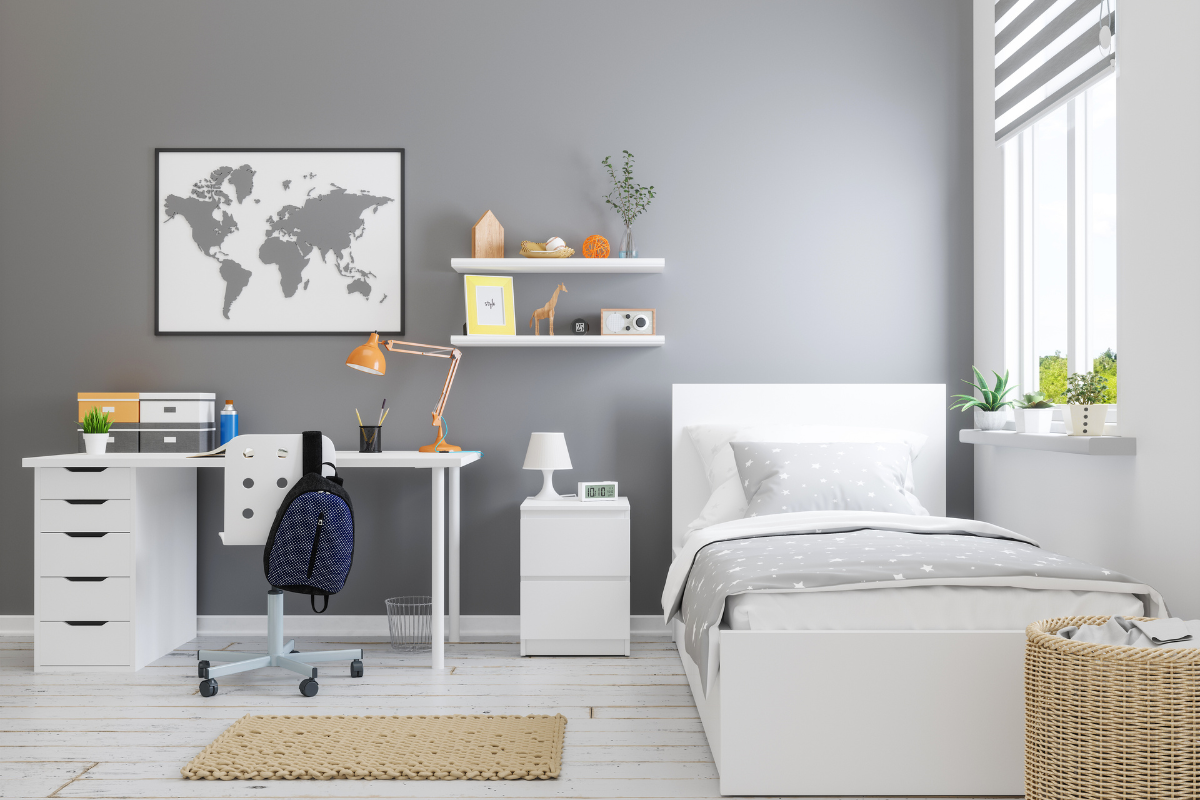
When a study space is consistent, quiet, and clutter-free, it becomes part of your child’s daily rhythm. They know what to expect. It signals that it’s time to wind down, focus, and get through homework with a little more ease.
One client told us, “I didn’t expect the change to be this big. My daughter actually wants to sit at her desk now. It’s her space.” And that’s the goal—ownership and ease.
Takeaways for Your Home
Even if you’re working with a corner of a room or a shared space, you can still put these ideas into action. Here’s how families we’ve worked with made it work:
-
Small Space? Use a cart: A rolling craft cart can hold everything your child needs and tuck neatly into a closet when homework’s done.
-
No dedicated room? Claim a wall: A simple desk setup with floating shelves and a wall light can turn a hallway or bedroom wall into a focused study spot.
-
Too many supplies? Edit often: Instead of storing everything in the study area, rotate out supplies seasonally or based on projects.
-
Busy visuals? Hide the clutter: Use bins with lids or drawers to reduce visual noise—less distraction, more focus.
-
Let them choose one thing: Whether it’s their favorite LEGO build, a small art piece, or a color they love, adding something personal gives them ownership of the space.
One Last Thought
Organizing your child’s study area doesn’t have to be a massive overhaul. Start with a clean-out, think about how they use the space, and build systems around their real life. A little planning goes a long way toward less stress—and who doesn’t want that?
If your family’s routines have changed and your home no longer supports them as naturally as it should, learn more about our Home Organizing Services and how we create systems around the way your household actually lives.
Until next time,
Elissa


