


Organizing a Home With Kids and Pets
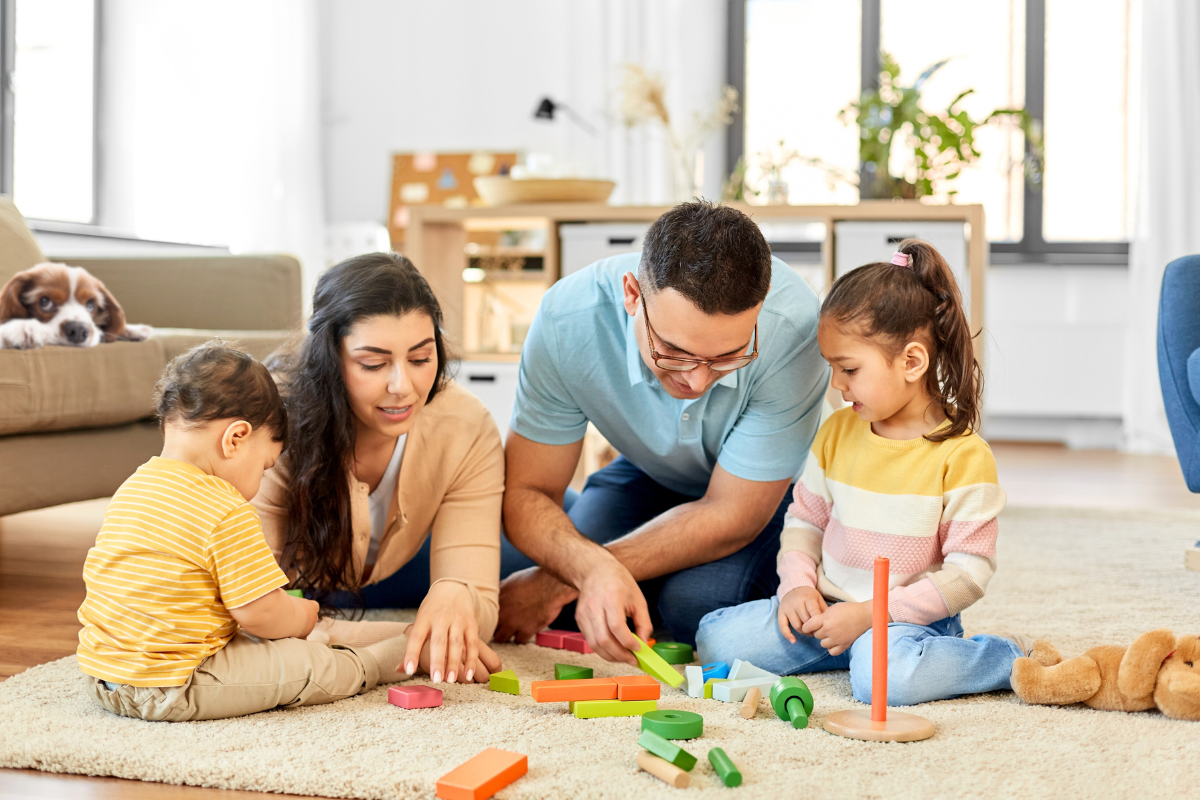
A home shared with children and pets is always going to be in motion.
Backpacks come through the door. Shoes land somewhere nearby. Leashes, sunscreen, art supplies, snacks, pet supplies, and school items all need places to live. The challenge is not creating a home where none of those things are visible.
It is creating systems that make sense for the way the household actually moves through the day.
In the family homes we organize, the areas that tend to need the most attention are entryways, mudrooms, kitchens, and playrooms. These are the places where people arrive, transition from one activity to another, and naturally put things down.
When those spaces do not have clear systems, they quickly become piles of unknown.
Our approach is to look at the routine first, then decide where everything should live.
Start With Where Everyone Enters the Home
One of the first things we consider in a family home is how everyone actually comes and goes.
It may be through a mudroom.
It may be the front door.
There may also be a side entrance, garage entrance, or patio door that the family uses throughout the day.
Each entrance can serve a different purpose, which means one universal “drop zone” is not always the answer.
We ask what naturally happens at each door.
Where do the children come in after school?
Which entrance is used to walk the dog?
Where does the family enter from the backyard?
What tends to get dropped there now?
Those routines tell us what the space needs.
Give Every Entryway a Purpose
In one part of the home, a drop zone may need to hold backpacks, shoes, and everyday school items.
Near another entrance, the family may need easy access to leashes and waste bags.
By a door leading to the backyard, it may make more sense to keep outdoor sunscreen, lip balm, bug spray, or pet-grooming supplies nearby.
The point is not to duplicate everything throughout the house.
It is to place items where they naturally support the activity happening there.
When storage is located where something is actually used, the system requires fewer steps to maintain.
That is something we think about throughout every organizing project: how can we remove unnecessary steps from the routine?
Make Independence Easier for Children
A family system should consider who needs access to what.
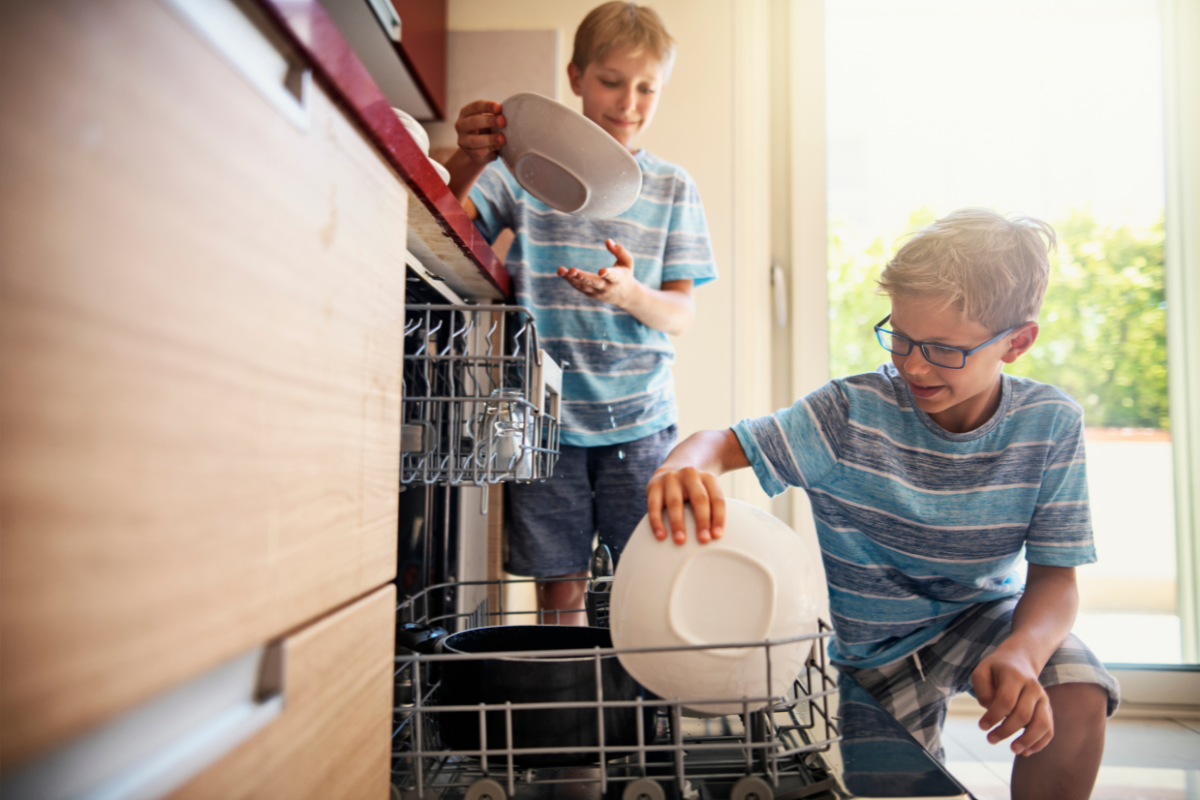
In kitchens, for example, older children may be able to prepare their own breakfast.
If that is part of the family’s routine, we may place their bowls or plates in a lower drawer or cabinet where they can reach them independently.
Cereal, oats, granola, or other breakfast staples can also be placed at an accessible height in the pantry.
Instead of needing a parent every morning to retrieve the same things, the environment supports the routine.
The same principle applies throughout children’s spaces.
Frequently used items should be accessible when it makes sense for the child to use them independently.
Items that require parental involvement can live elsewhere.
Not Everything Should Be Within Reach
Accessibility needs to be intentional.
For example, a child may be able to reach everyday craft supplies independently, while paints or other materials a parent prefers to supervise may be stored on a higher shelf.
Pet storage works the same way.
Food and treats should be stored somewhere the pet cannot access them independently. We always ask clients whether their pet is able to open cabinets or drawers because that affects where those categories should live.
Medications and other items requiring controlled access belong higher or otherwise securely stored.
The best organizing system is not simply the most convenient one.
It is the one that makes the right things easy to access for the right people.
Visibility Helps Prevent Overbuying
One pattern we see repeatedly in client homes is overbuying when categories become buried.
When you cannot easily see what you already have, it is easy to assume you need more.
Another bag of dog treats gets purchased because the existing ones are behind something else.
More art supplies come home because no one realized there were already three unopened packages in a drawer.
Snacks, household items, and pet supplies can all multiply this way.
Clear categories and good visibility help solve that.
You should be able to look at a space and understand what you have before adding more.
That is one of the reasons we organize by category and create defined zones rather than simply finding an empty place to put something.
Playrooms Should Be Easy to Reset
In playrooms, the goal is not a complicated system.
The more steps it takes to put something away, the less likely that system is to hold up in real family life.
We look at how the children play, which categories they use most often, and what they can realistically put away themselves.
Simple categories usually work better than overly specific ones.
Books should have an obvious home.
Frequently used toys should be easy to reach.
Larger categories need enough space that putting something away does not require rearranging everything else first.
The system needs to make sense to the child using it, not just to the adult who organized it.
This same philosophy runs through our Home Organizing service: systems are built around the people who actually live in the home.
Show Children How the New System Works
One of my favorite parts of organizing family spaces is showing children what we created for them.
Once the space is finished, we give them a little tour.
We show them where their things live and how to put them back.
The reaction is often immediate.
A cabinet opens and there is a big smile. They can see everything. They understand where their belongings are. They are excited about their newly organized space.
That excitement matters.
When children understand the system and feel some ownership of it, they are often much more interested in maintaining it.
They are not being asked to follow an organizing system they have never seen or understood.
They know where things belong.
Pet Supplies Should Follow the Routine Too
Pet categories can easily become scattered throughout a home.
Leashes may be in one drawer, waste bags somewhere else, grooming supplies in another room, and treats wherever there happened to be space.
Instead, we look at when and where those items are used.
If the dog is usually walked through a particular entrance, the leash and waste bags should be nearby.
If grooming happens outside, the supplies may make more sense near the backyard entrance.
Food and treats can be stored near the feeding area, provided they are secured appropriately for that particular pet.
The system follows the routine rather than asking the routine to work around the storage.
Fewer Steps Make a Home Easier to Maintain
This is one of the most important principles we use in family homes.
Every extra step creates another opportunity for something not to get put away.
If a backpack has to travel through three rooms before it reaches its hook, it will probably land somewhere else first.
If dog-walking supplies are stored nowhere near the door, they will eventually begin collecting closer to where they are actually used.
If a child has to move one container to reach another container to put away a toy, the toy may simply stay out.
We want the natural action to be the easy action.
A well-designed family system reduces the number of decisions and movements required to complete an everyday task.
Systems Should Support Real Family Life
A family home is going to change.
Children grow.
School routines shift.
Activities come and go.
Pets age and their needs change.
A system that works beautifully today may need to be adjusted later.
That does not mean the system failed.
It means the home is evolving alongside the people living in it.
We explore that more deeply in Why Family Homes Fall Into Chaos—and How to Create Systems That Flex.
The goal is not to build rigid systems that require everyone in the family to behave perfectly.
It is to create clear, intuitive homes for the things everyone uses so everyday routines require less effort.
Frequently Asked Questions
Where should I start organizing in a busy family home?
Start with the areas where transitions happen most often. For many families, that means the primary entryway, mudroom, kitchen, or playroom. These spaces tend to collect items because they are used repeatedly throughout the day.
Do children need separate organizing systems from adults?
Not necessarily, but their access needs to be considered. Items children use independently should be easy for them to reach, while anything requiring adult involvement can be stored higher or elsewhere.
Why do we keep buying things we already have?
We frequently see this happen when categories are spread across multiple locations or buried behind other items. When belongings are grouped together and easy to see, it becomes much easier to know what you already own before buying more.
Should every entrance have a drop zone?
Not every entrance needs the same setup, but each frequently used entrance should support what naturally happens there. One may need backpacks and shoes, while another may need dog-walking or outdoor supplies.
How do I get my children to maintain an organizing system?
Keep the system simple, make frequently used categories accessible, and show them how it works. We walk children through their newly organized spaces so they know exactly where their things belong. They are often genuinely excited to use and maintain a system they understand.
A Home That Works for Everyone Living In It
Organizing a home with children and pets is not about controlling every sign of family life.
It is about making family life easier to move through.
A backpack has a natural place to land.
The dog leash is by the door where it is actually needed.
A child can make breakfast without asking someone to retrieve everything.
Pet supplies are visible enough to prevent unnecessary purchases but stored securely where needed.
Toys can be returned without a complicated cleanup process.
These are small systems, but they add up throughout the day.
When your home reflects the way your family actually lives, maintaining it requires less thought, fewer steps, and less repeated effort.
If your family’s routines have evolved and your home no longer supports them as naturally as it should, learn more about our Home Organizing service. We create thoughtful systems around the people, routines, and everyday life already happening within your home.
Until next time,
Elissa


